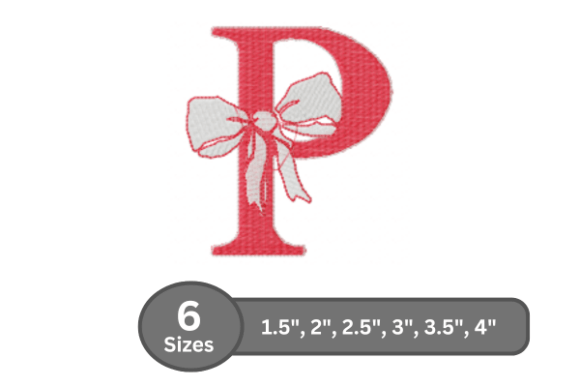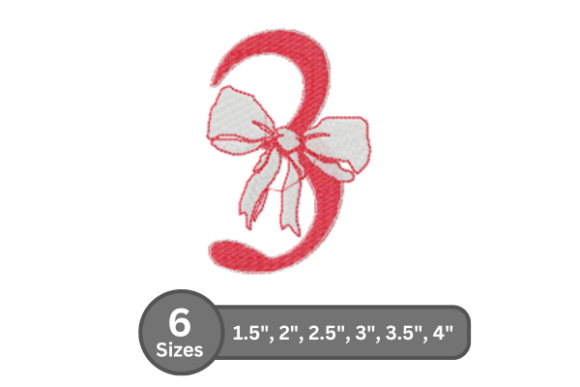
Cherry Knot Number - 3
As a designer who’s worked with countless machine embroidery designs, I always start by asking: does this design feel right for real-world use? Cherry Knot Number - 3 is a stylish lettering design that promises versatility, but how does it hold up in actual projects? Let’s break it down from a practical perspective.
The First Impression
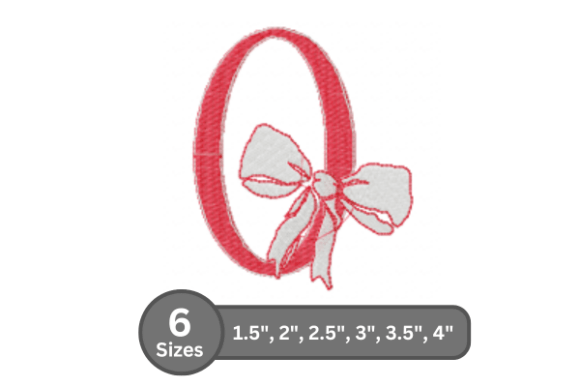
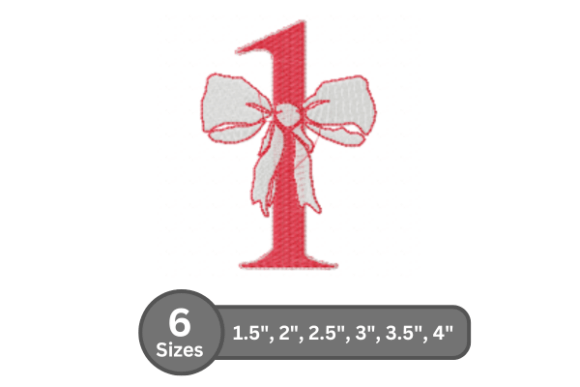
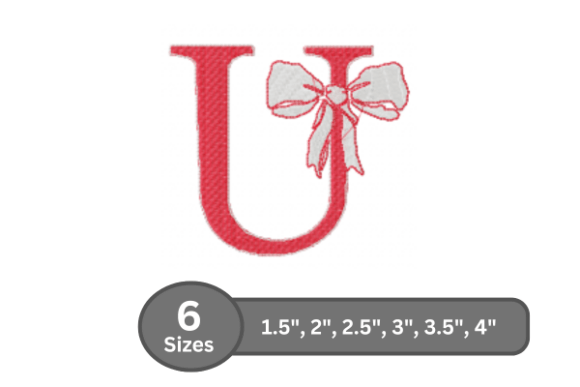
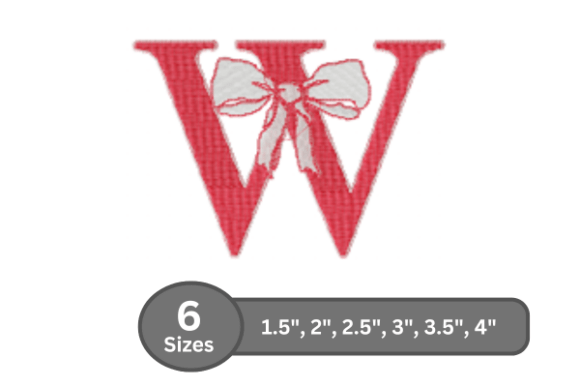
Cherry Knot Number - 3 has a clean, modern aesthetic. The lettering is elegant, with a subtle texture that gives it depth without being overly complicated. It feels like it belongs on something personal—like a monogrammed item or a decorative text piece. The font choice is bold enough for visibility but refined enough for upscale projects. It doesn’t scream “cheap,” which is a big plus when you’re aiming for a professional finish.
The design’s layout is straightforward, making it easy to place on various items. Whether it’s a tote bag, a baby onesie, or a holiday gift, the shape of the letter feels balanced and well-proportioned. There’s a sense of quality in the way the stitches are structured, though I’ll get into specifics later.
Real-Life Use Cases
Let’s imagine a scenario: you’re working on a custom embroidered tote bag for a client who wants a personalized touch. Cherry Knot Number - 3 could be perfect for that. The lettering is large enough to be readable at a distance but small enough to fit neatly on a shoulder strap or front panel. It would look great on a cotton canvas tote, especially if paired with a contrasting thread color.
Another example: a sweatshirt for a boutique shop. The design’s simplicity makes it adaptable. You could use it as a standalone element or pair it with other motifs. It’s also suitable for baby items, where softness and clarity matter. A baby onesie with Cherry Knot Number - 3 could be both cute and functional, offering a personal touch that customers love.
Performance in Different Embroidery Situations
When testing Cherry Knot Number - 3 on different fabrics, the results were mostly consistent. On medium-weight cotton or polyester blends, the stitches lay flat and don’t pucker. However, on thin or stretchy materials, there was a slight tendency for the design to shift during stitching. This suggests that using the right stabilizer is crucial, especially if you're working with delicate fabrics.
For curved surfaces like caps or hats, the design works well if the hoop size is appropriate. Smaller hoop sizes might make it harder to maintain even stitch density, so it’s worth checking your machine’s capabilities before starting. If you’re planning to use it on a patch, the design holds up nicely, especially if you’re using a satin stitch for the outline and fill stitch for the interior.
Where to Be Careful
There are a few areas where Cherry Knot Number - 3 may not perform as well. For instance, on dark fabrics, the contrast might be too subtle unless you choose a bright thread color. Similarly, on textured or thick materials, the design can appear slightly distorted. This is something to consider if you’re aiming for a polished finished product.
Small details like corners or intricate curves might not come out perfectly on every machine. If you’re using it for tiny lettering, you might need to adjust the stitch density or test it first. Also, if you’re planning to use it on a layered garment or something that will be washed frequently, make sure the design is strong enough to withstand repeated cycles.
Impact on Visual Appeal and Customer Perception
Cherry Knot Number - 3 adds a level of sophistication to any project. Its clean lines and thoughtful design make it ideal for handmade products that need to stand out. When used correctly, it enhances the visual appeal of a finished product, making it more attractive to buyers. Customers often associate well-executed embroidery with quality, so this design can help build trust and increase perceived value.
It’s also great for branding. If you’re running a craft business or an Etsy store, using a consistent design like Cherry Knot Number - 3 can create a cohesive look across your product line. It’s versatile enough to be used on everything from apparel to home decor, making it a valuable addition to your design assets.
Practical Designer Notes
Before jumping into a full project, I recommend testing Cherry Knot Number - 3 on scrap fabric. This helps you see how the stitches interact with different materials and whether the design looks as good in practice as it does on paper. Checking thread color contrast is also important—especially if you’re using it on dark backgrounds.
Review the stitch density to ensure it’s suitable for your project. If the design is too dense, it might cause puckering or wear faster. Confirming the hoop size needed is another key step. Some machines have limitations, so knowing ahead of time can save time and frustration.
Finally, always check the licensing terms if you plan to sell finished items or digital products. Even though Cherry Knot Number - 3 seems promising, it’s best to verify what you’re allowed to do with it before finalizing any sales.
Conclusion
Cherry Knot Number - 3 is a solid choice for designers looking for a stylish, versatile embroidery design. It works well in a range of applications, from custom apparel to personalized gifts. With proper preparation and attention to detail, it can elevate your handmade products and help you stand out in a competitive market.
Whether you’re an Etsy seller, a small shop owner, or a hobbyist, this design offers real value when used thoughtfully. Just remember to test it, adapt it to your needs, and keep the end user in mind. That’s what makes a great embroidery project—and a satisfied customer.